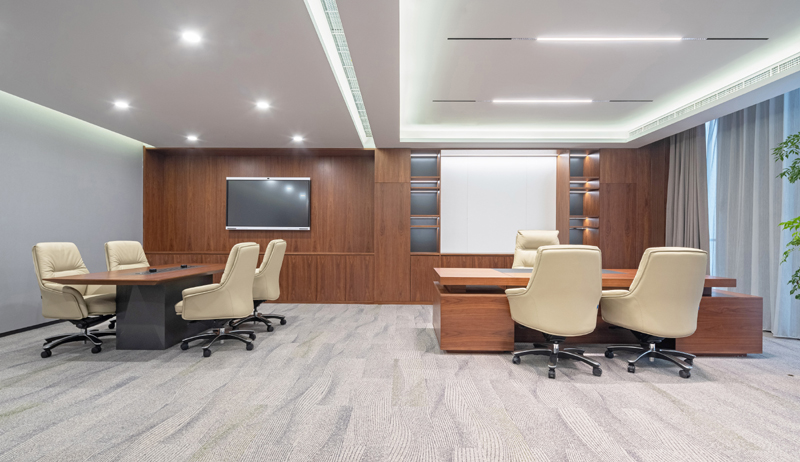

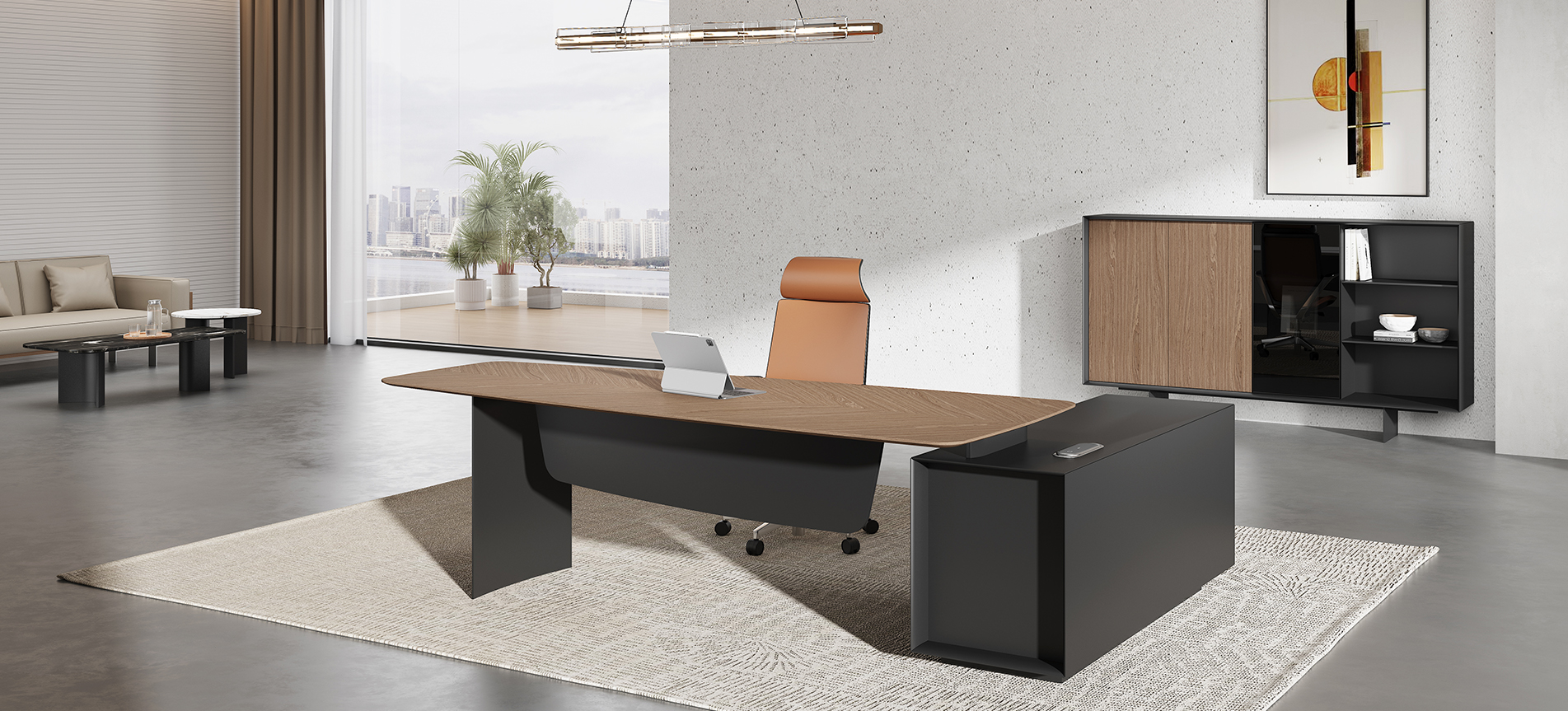
With the continuous evolution of modern office environments, the selection of furniture in conference rooms has become increasingly important as an important place for team communication and decision-making. Meeting room furniture not only needs to meet basic functional requirements, but also has a certain degree of aesthetics to enhance the overall image and atmosphere of the office environment. Finding a balance between functionality and aesthetics when designing conference room furniture has become an important consideration for businesses in procurement and layout.
The Importance of Functionality
The main function of a conference room is to support efficient collaboration and discussion among teams. Therefore, the design of conference room furniture should first focus on its functionality. Specifically, conference room furniture should have the following basic functions:
Comfort: Long term meetings require seats to provide good comfort to help attendees focus and avoid communication being affected by physical discomfort.
Flexibility: Different types of meetings require different configurations, so the flexibility of furniture is particularly important. A movable table and stackable chairs can quickly adjust the layout according to the actual needs of the meeting.
Technical compatibility: Modern conferences often rely on various technical equipment, such as projectors, video conferencing systems, etc. Therefore, conference tables should consider functions such as power sockets and data cable management to make the access of technical equipment more convenient.
The Importance of Aesthetics
In addition to functionality, the aesthetics of conference room furniture cannot be ignored. A well-designed conference room can enhance a company's professional image and create a good working atmosphere. Aesthetics is mainly reflected in the design of conference room furniture in the following aspects:
Design style: The design style of furniture should be consistent with the brand image of the enterprise, choosing simple and modern, classic and high-end, or innovative and unique styles to convey the culture and values of the enterprise.
Color matching: Colors can directly affect people's emotions, so when choosing conference room furniture, attention should be paid to color matching to make the overall environment comfortable and pleasant, neither dazzling nor dull.
Material selection: High quality materials not only enhance the durability of furniture, but also improve its visual aesthetics. Different materials such as wood, metal, and glass can create different atmospheres, achieving a dual satisfaction of aesthetics and functionality.
Balancing strategy between functionality and aesthetics
To achieve a balance between functionality and aesthetics, companies can adopt the following strategies when choosing conference room furniture:
Comprehensive evaluation of requirements: Before purchasing furniture, enterprises should clarify the frequency of use, meeting format, and number of attendees of the conference room, and comprehensively evaluate the priority of functionality and aesthetics.
Choose customizable furniture: Many modern furniture brands offer customized services, allowing businesses to design furniture that meets their own characteristics based on actual needs, ensuring practicality and enhancing aesthetics.
Using multifunctional furniture: Choose furniture with multiple uses, such as foldable and movable tables and chairs, which not only saves space but also allows for flexible response in different situations, combining practicality and aesthetics.