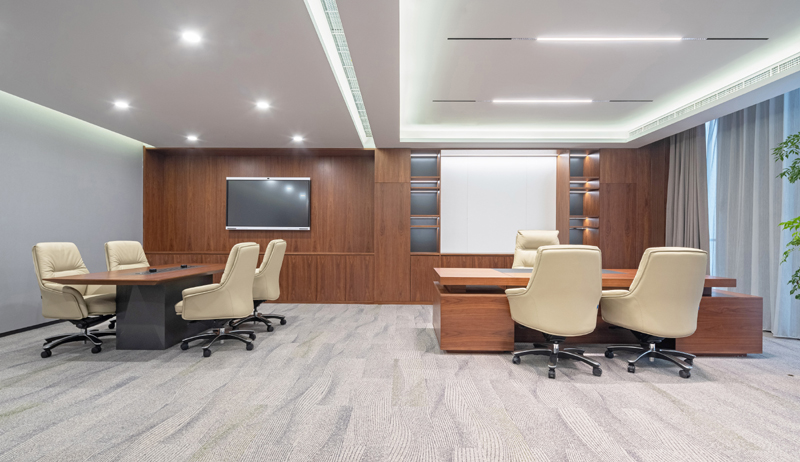


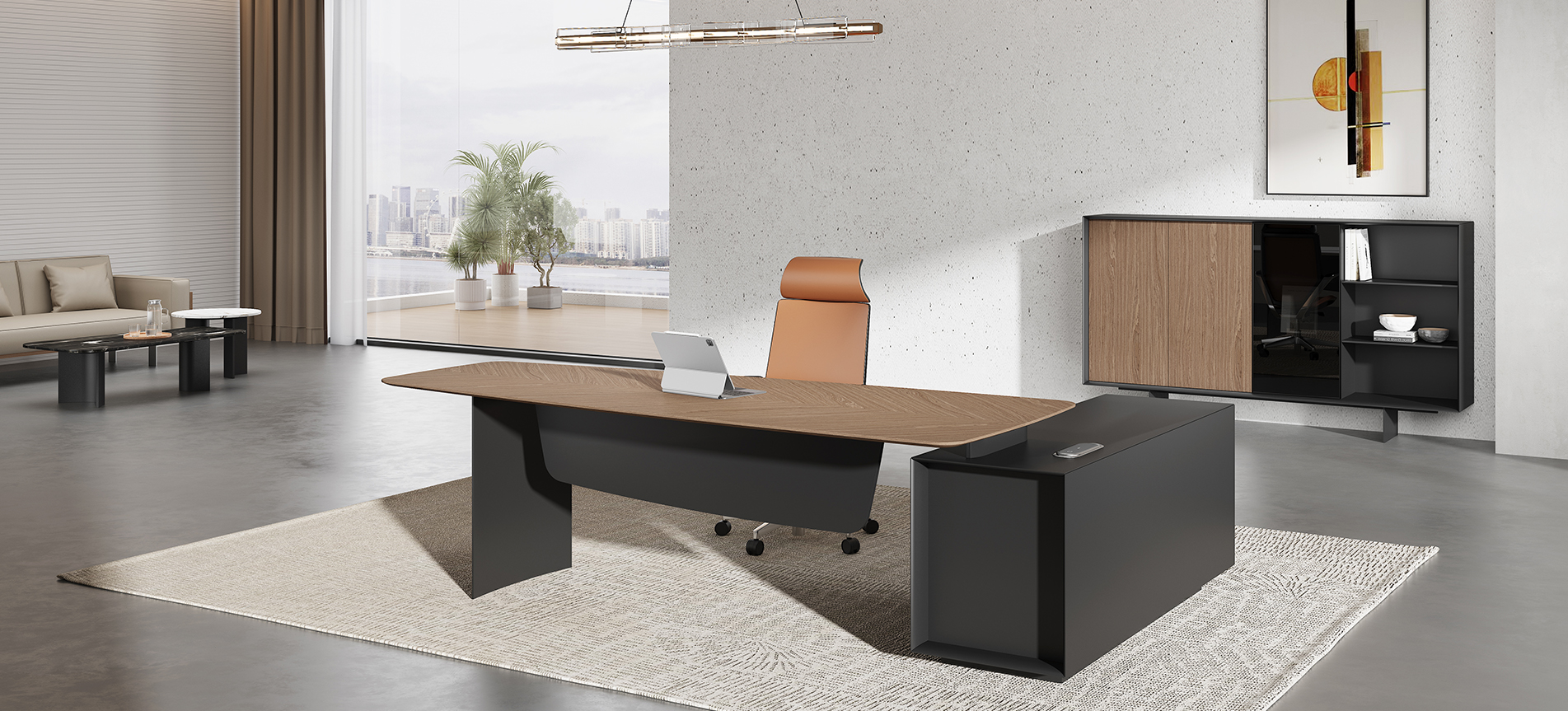
In modern enterprises and institutions, large conference tables are a crucial component for conducting important meetings, discussions, strategic planning, and team collaboration. Choosing an appropriate conference table can not only enhance the efficiency of meetings but also provide a conducive communication environment for participants. Below are some key points to consider when selecting a suitable large conference table.
The space and layout of the conference room should take into account its actual dimensions. Large conference tables typically occupy a significant area, so it is crucial to measure the dimensions of the conference room before making a selection. Ensure that the conference table is placed in the center of the room to facilitate easy communication among participants and maintain good visual contact. Additionally, consider the arrangement of other furniture, such as chairs, projectors, and audio equipment, to ensure the overall layout is harmonious.
When determining the size of a conference table, another important factor is the number of participants. Generally speaking, each participant requires a width of approximately 60-75 centimeters to maintain a comfortable sitting posture. Calculate the total length and width based on the expected number of participants, and select a conference table that can accommodate all participants. An undersized conference table can lead to crowding, while an oversized one can make interaction between people difficult.
The shapes of conference tables are diverse, including rectangular, oval, circular, etc. Different shapes of conference tables are suitable for different types of meetings: rectangular conference tables are suitable for more formal meetings, facilitating the arrangement of positions for the host and speakers.
Elliptical conference table: It helps enhance communication efficiency and provides all participants with a better view.
Circular conference table: Promotes equal communication between people, suitable for small discussions and creative meetings.
The material and design of a conference table directly affect its appearance, durability, and maintenance costs. Common materials include wood, metal, glass, and plastic. Wooden conference tables usually appear more stable and professional, while glass conference tables give a modern feel. In terms of design, choosing a style that matches the company's brand image can enhance the overall corporate image.
In modern meetings that rely on technology, various technical equipment such as projectors, microphones, and video conferencing devices are often required. Therefore, when selecting a conference table, one must consider the issue of technical wiring. Some conference tables are equipped with built-in power supplies and data cable slots, which facilitate participants' access to power and network, enhancing the convenience of the meeting.
The prices of conference tables vary significantly across different budget levels. When selecting, it is important to set a budget range in advance to ensure that the chosen conference table falls within the budget. However, one should not sacrifice quality due to budget constraints. By comprehensively considering material quality, design, and functionality, one can find the most cost-effective option.
Choosing the right large conference table is a crucial decision that requires comprehensive consideration of various factors such as meeting room space, number of participants, table shape, material design, technical support, and budget. A suitable conference table can not only enhance the efficiency of the meeting but also provide a comfortable experience for the participants, thereby laying a solid foundation for the development of the enterprise. I hope the above suggestions will assist you in making an informed decision when selecting a conference table.