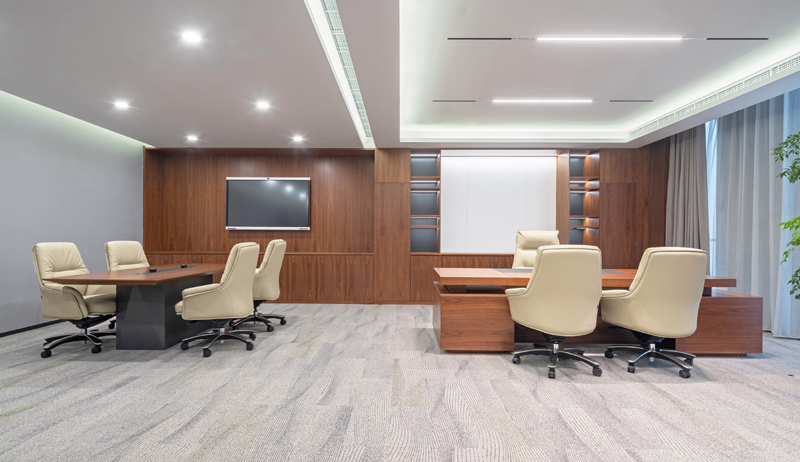

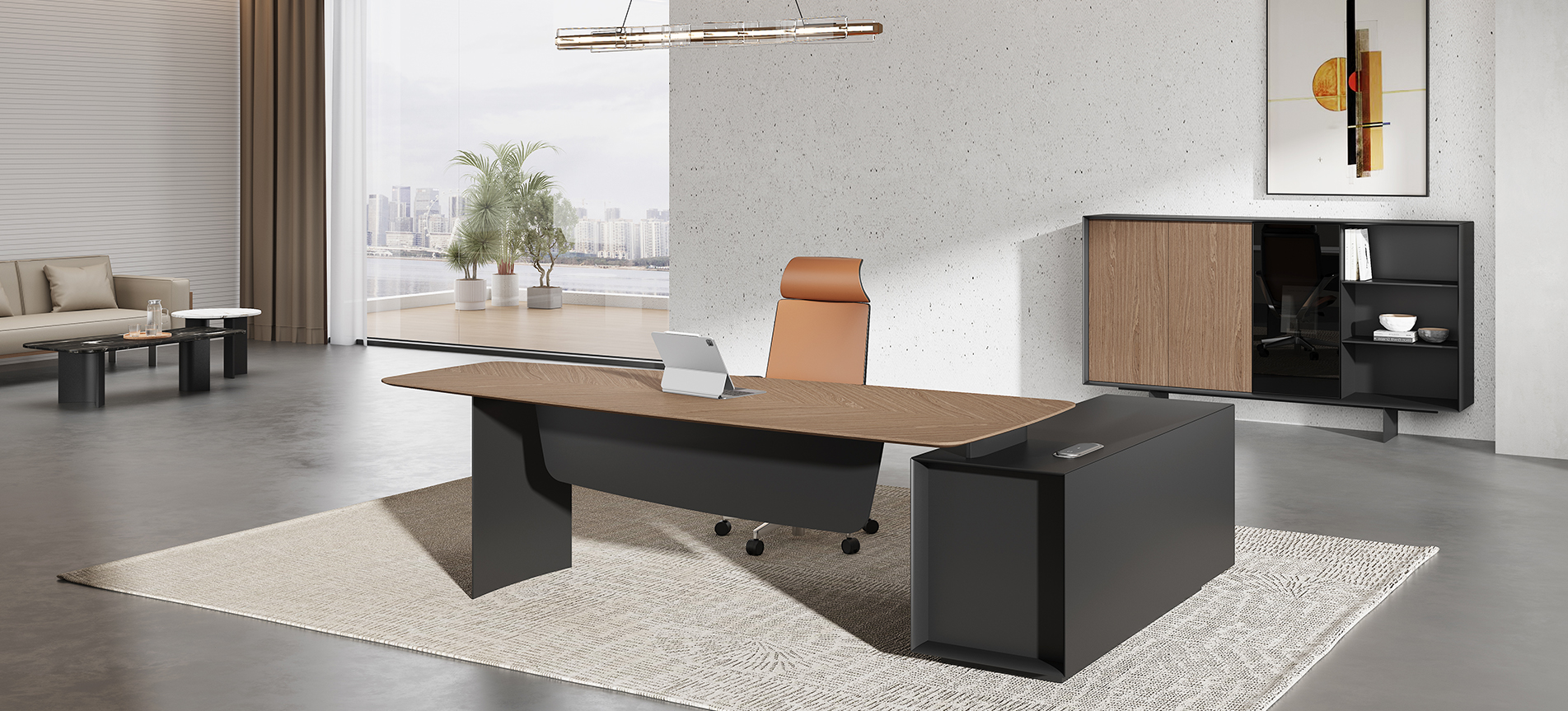
In the modern business landscape, the conference room is more than just a space for meetings—it is a stage for decision-making, collaboration, and the projection of a company’s identity. At the heart of this environment sits a piece of furniture that carries disproportionate influence: the large conference table. When a standard, off-the-shelf model fails to meet the demands of both function and form, a custom design large conference room table becomes not a luxury, but a strategic investment.
The Case for Customization
Off-the-shelf conference tables are built for the average. But no two organizations are average. A law firm may require a surface that accommodates twelve partners with individual power access and legal document space, while a creative agency may need an informal, multi-level table that encourages stand-up brainstorming sessions. A custom design large conference room table addresses these specificities directly. Dimensions, shape, edge profile, cable management, material finishes, and integrated technology are all determined by the client’s real needs rather than a manufacturer’s inventory.
Functional Engineering at Scale
Size brings complexity. A large table—typically seating ten to twenty-four people—must solve problems that smaller tables ignore. First is power and data distribution. In a custom design, these elements are routed internally, with pop-up modules or flush-mounted ports placed precisely where participants sit, eliminating the tangle of extension cords and the awkward reach across the surface. Second is acoustics. A large, hard surface reflects sound; custom designs often incorporate subtle sound-absorbing inlays or a rounded edge geometry that reduces harsh reverberation during heated discussions. Third is durability. High-traffic conference rooms endure daily wear—laptops, coffee cups, elbows, and the occasional dropped pen. Custom tables allow for the selection of commercial-grade veneers, solid surface materials, or treated hardwoods that are both beautiful and resilient.
Materials and Aesthetics as Brand Messaging
A custom design large conference room table is a physical statement of company culture. A tech startup might choose a lightweight, modular table with a matte white composite top and integrated wireless charging, signaling innovation and agility. A financial institution might opt for a mahogany or walnut table with inlaid leather writing surfaces and a beveled edge, conveying stability and tradition. Because the table is custom, the finish, color, and grain pattern can be matched to the room’s millwork, the corporate logo’s palette, or the architectural lighting. The result is a cohesive environment where the table does not merely sit in the room; it anchors it.
Collaboration and Technology Integration
Large meetings require more than a flat surface. A well-designed custom table integrates technology invisibly. Video conferencing cameras, microphones, and speakers can be housed within the table’s structure or mounted on discreet towers, with cable routing that keeps the surface clutter-free. For hybrid meetings, the table can be designed with a slightly angled central section for a shared display or a recessed track that allows tablets and laptops to sit flush. Even the shape matters: a U-shaped or boat-shaped table encourages eye contact and equal participation, while a long rectangular table with a narrow center section allows a facilitator to move between groups. Custom design makes these choices intentional.
Ergonomics and Inclusivity
A large table must serve diverse bodies and working styles. Custom design addresses this by allowing for variable height options—some tables now feature a split-level design, where one section is at standing height for quick huddles and another at seated height for detailed review. Edge profiles can be softened to prevent pressure on forearms. Knee clearance, chair placement, and wheelchair accessibility are all calculated into the custom dimensions, ensuring that every participant has a seat at the table, literally and figuratively.
The Process and the Partnership
Creating a custom design large conference room table is a collaborative process. It begins with a needs assessment: how many seats, what technologies, what materials, what budget. Designers then produce CAD drawings and 3D renderings, allowing the client to visualize proportions and finishes before fabrication. Prototyping or finish samples follow, and finally, skilled craftspeople build the table to specification. This partnership ensures that the final piece is not only functional but also a source of pride—a table that employees and visitors remember.
Conclusion
A custom design large conference room table is an investment in clarity, professionalism, and identity. It solves the practical problems of power, durability, and ergonomics while elevating the aesthetic and cultural tone of the meeting space. In a world where decisions are made around tables, the table itself should be designed to support the best possible version of those decisions. For organizations that take their meetings seriously, customization is not an indulgence—it is the logical choice.